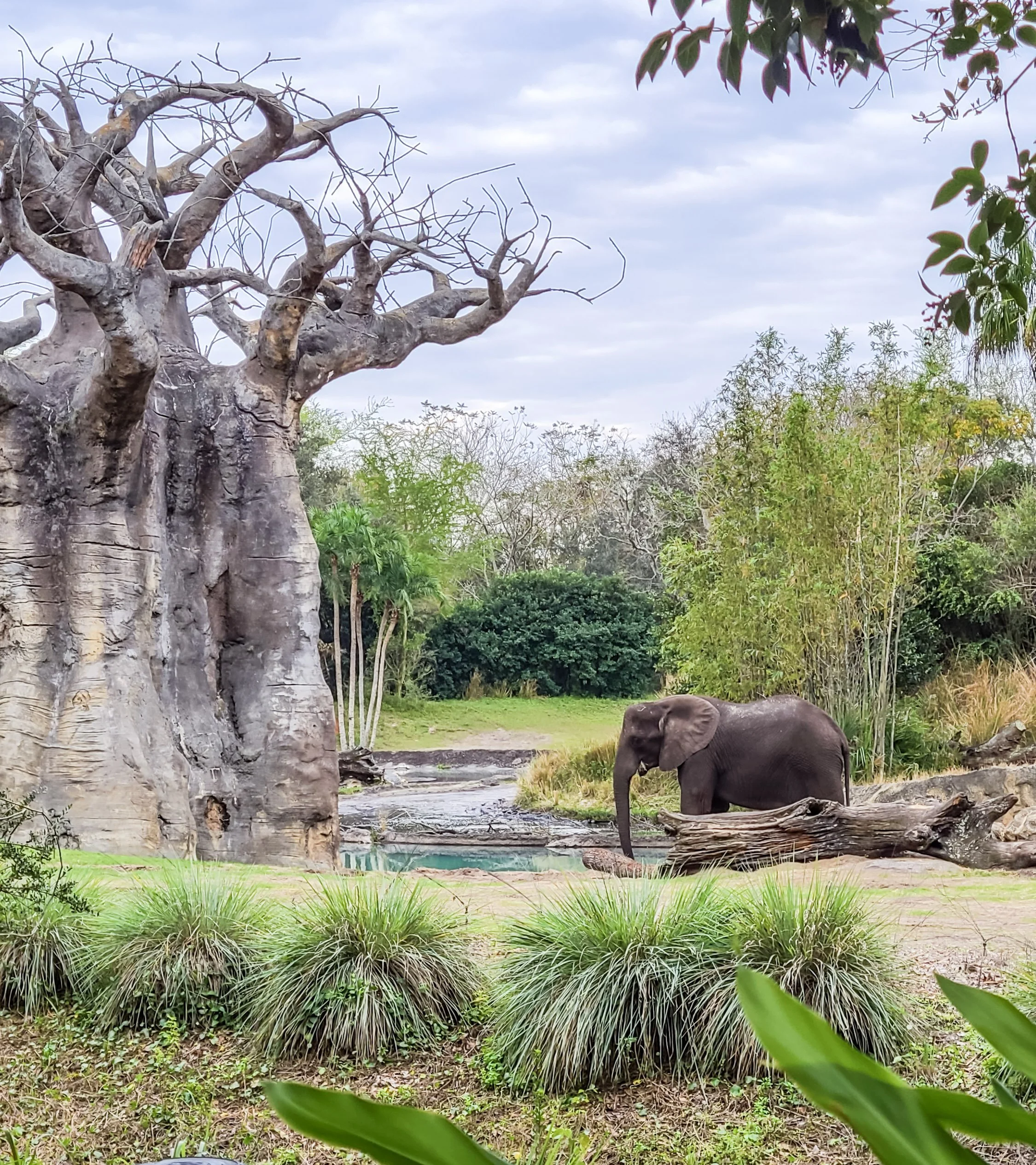
Caring for Giants: An Unforgettable Elephant Encounter
Animal Kingdom is a fully functioning zoo with the highest accreditation from the US Zoo Administration. Many of the animals within the park are part of conservation programs that support care for their wild brethren. Disney partners with researchers around the world to preserve and reinstate wild populations of the animals we love so much.
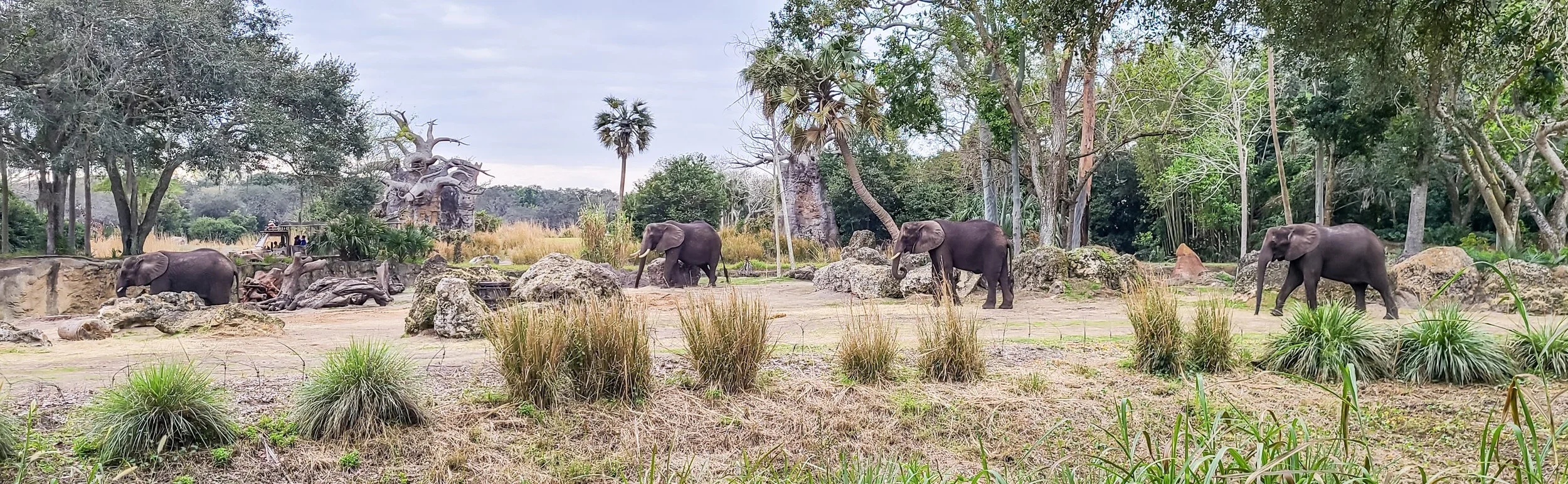
One of the opportunities to learn more about some of your favorite animals and support conservation efforts is to sign up for the Caring for Giants excursion at Animal Kingdom. In this tour, you have the chance to go backstage to a viewing platform on the far side of the Kilimanjaro Safari. A guide will tell you a bit about each of the elephants in residence on the safari and you have a chance to admire a herd in as close to the wild as you can get in the United States. For anyone who loves elephants, this is a truly unique experience to observe them up close and admire their beauty.
Tip:💡 This excursion can be booked 60 days before your check-in date at your hotel. Guests must be 8 years old to enjoy this excursion.
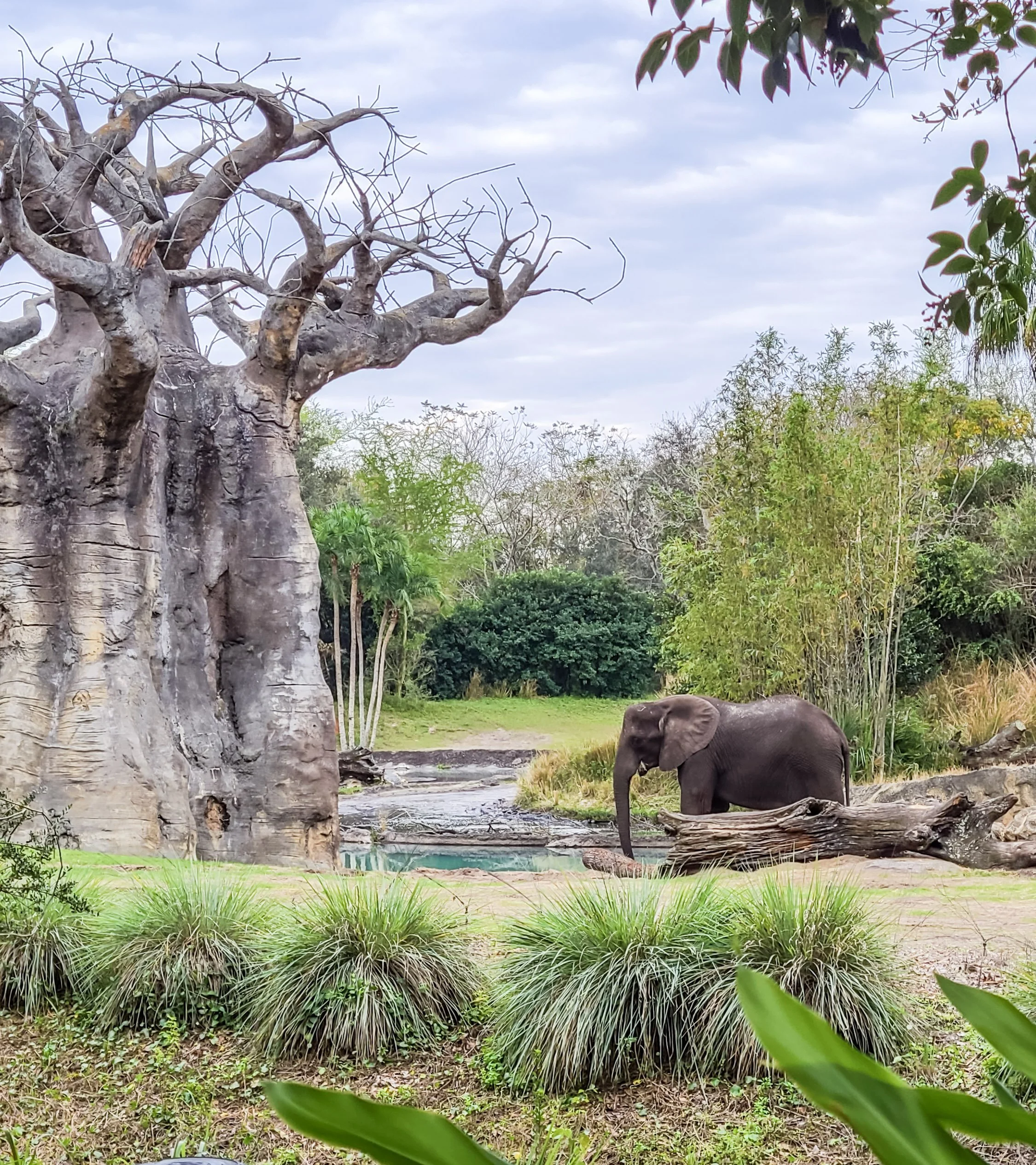
Some of my favorite learnings:
1. A group of elephants is called a herd
2. Elephants are matriarchal – meaning the mothers (and grandmothers) run the show
3. Female elephants stay together, but male elephants (called bulls) separate from the herd when they are older
4. Elephants are scared of bees! Bees can sting their nose and trunks which is quite painful to elephants so they steer clear.
5. Researchers have used this fact to build specialized fences that hold a suspended beehive. Conservation groups have partnered with farmers to install these fences around their crops to protect elephants from entering. As a bonus, it provides farmers with honey as an additional source of income. Preventing elephants from entering the farms supports farmers and also minimizes elephants being hunted.
Remember the trip!
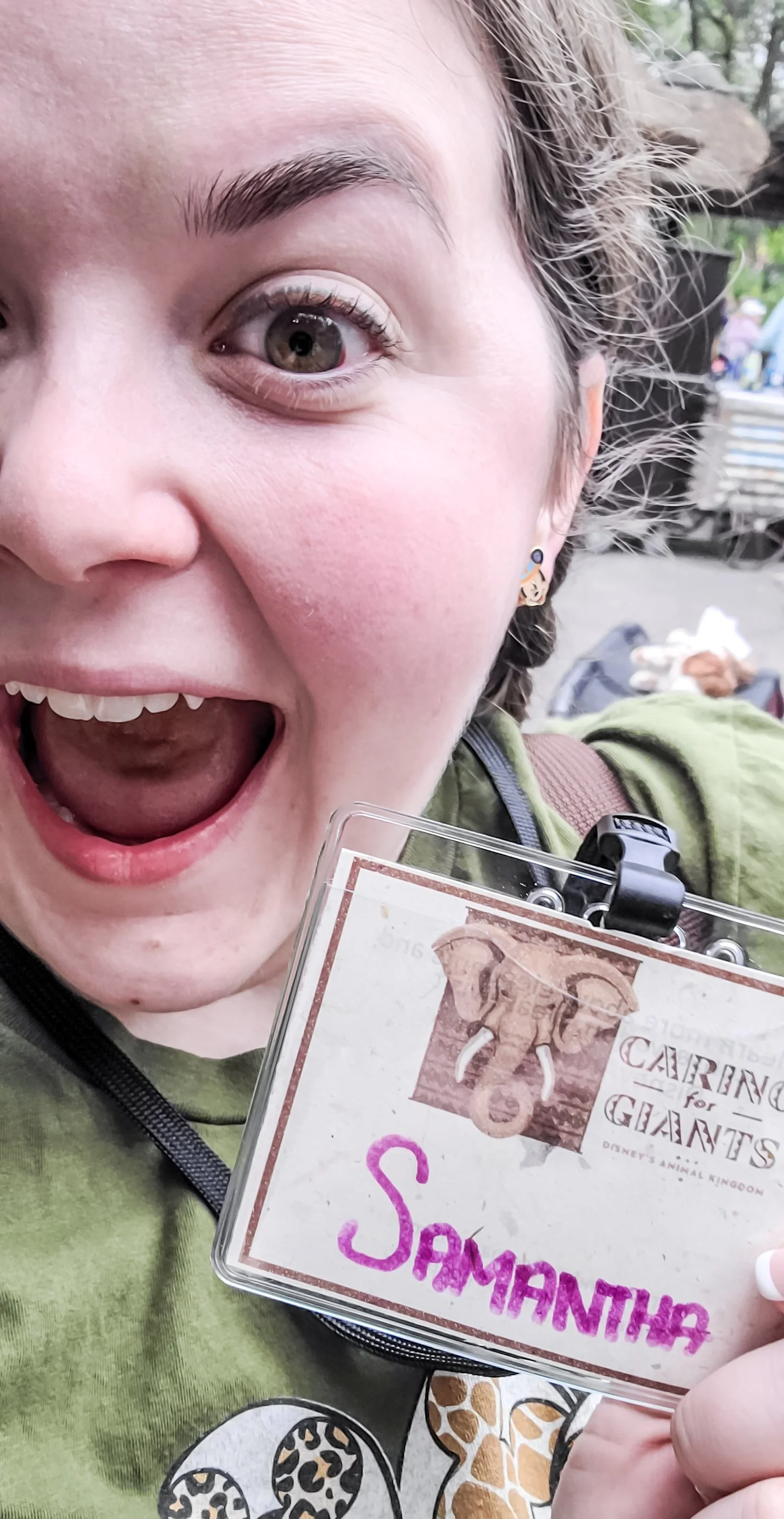
As a keepsake, you receive a name tag printed on poopy paper! That’s right – paper made from elephant poop. Elephants eat an impressively large amount of fiber so their waste is able to be recycled and utilized. Very appropriate for conservationists.